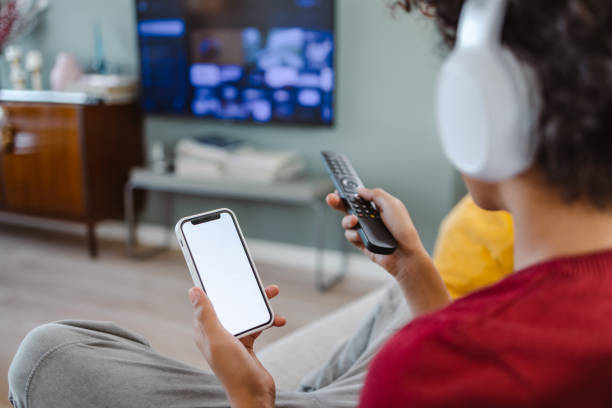
Screenagers Not Teenagers
Modern life starts off not with a rattle, or a stuffed
animal, or a book but rather a digital device, usually what we want to refer to
as a smartphone, which is questionable to begin with. From an early age,
sometimes still in a pram, modern day children are given a device to play with,
which allows parents to be on their device, and serves as a very economical
choice for baby-sitting.
When we reinforce behaviour, it sticks. Young people are being programmed to be
more and more digital and this practice provides billions of dollars in
corporate profits.
The screenagers life span is somewhat limited however because the pace of
change in technology is now exponential. You may know technology better than
someone older because you were born into what is current, and without any
knowledge of what went before. However, your expertise is guaranteed to waiver
as change continues to accelerate and you are the one struggling to understand
what the new technology is all about.
This allows tech companies to no longer worry about ‘user friendly’ because
there will be a new generation coming along that will only know what is
currently up to date. Of course, this means each generation will have to
realize that they are falling behind in their knowledge of technology as time
goes on.
Each generation will then experience what baby-boomers complained about when
they realized they were lost in the modern digital world. This was mainly
because baby-boomers were familiar with something else, like a map instead of a
GPS, before all the changes in technology occurred. Many of the members in this
older age group have just opted out of technology because it was just too hard
to adapt. They have given up on technology because they could not adjust to all
the stress from the changes to their life.
Post Views : 33